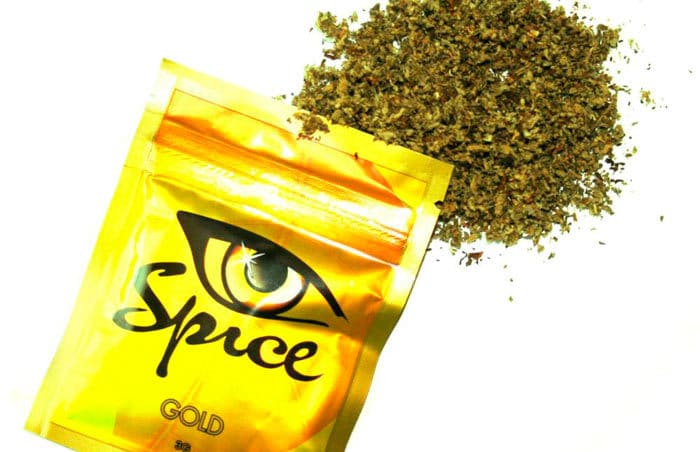
Novas direções no uso da substância: O fenômeno "Spice"
DOI:
https://doi.org/10.35954/SM2016.35.2.3Palavras-chave:
Canabinóides; Receptores de Canabinóides; Agonistas Receptoras de Canabinóides; Agonismo de Canábis sativa; Substâncias Perigosas; Detecção de Abuso de Substâncias; Canabinóides; Receptores de Canabinóides; Agonismo de Drogas; Triagem de Abuso de SubstânciasResumo
Os canabinóides sintetizados hoje compreendem uma ampla gama de compostos obtidos de moléculas originalmente desenvolvidas para pesquisa científica sobre o sistema endocanabinoide.
Entrando no mercado como drogas de design sob o pretexto da legalidade, seus efeitos sobre o consumo humano e a segurança permanecem mal compreendidos.
Seu número e variedade têm crescido constantemente desde as primeiras descobertas em 2008, assim como os relatos de várias toxicidades e até mesmo resultados fatais. Levando em conta que o Uruguai não é um país estranho a esta situação, já que cada vez mais usuários de drogas sintéticas como Spice ou MDMA e outras anfetaminas estão aparecendo na prática médica, uma breve revisão do problema é apresentada. É importante que os clínicos gerais e médicos de emergência estejam conscientes das conseqüências perigosas que podem resultar da maior potência e duração da ação dessas substâncias sobre os receptores canabinoides em comparação com os canabinoides naturais.
Downloads
Referências
(1) Mechoulam R, Gaoni Y. A total synthesis of DL-Delta-1- Tetrahydrocannabinol, the active constituent of Hashish. J Am Chem Soc 1965; 87:3273-75.
(2) Matsuda LA, Lolait SJ, Brownstein MJ, Young AC, Bonner TI. Structure of a cannabinoid receptor and functional expression of the cloned cDNA. Nature 1990; 346(6284): 561-4.
(3) Mechoulam R, Parker L. The endocannabinoid system and the brain. Annu Rev Psychol 2013; 64:21-47.
(4) Munro S, Thomas KL, Abu-Shaar M. Molecular characterization of a periferal receptor for cannabinoids. Nature 1993; 365(6441):61-65.
(5) Alvarez JC, Pape E, Grassin-Delyle S, Knapp A. Cannabinoids de synthèse: aspects pharmacologiques. Toxicol Anal et Clinique 2015; 27(1):23-32.
(6) United Nations Office on Drugs and Crime (UNODC). Global Smart Update. Special Segment. Synthetic Cannabinoids: Key factors about the largest and most dynamic group of NPS. Volume 13, March 2015, 12 p. Disponible en: https://www.unodc.org/documents/scientific/Global_SMART_Update_13_web.pdf [Consulta 16/08/2016]
(7) United Nations Office on Drugs and Crime (UNODC). Synthetic cannabinoids in herbal products. January 2011, 26 p. Disponible en: https://www.unodc.org/documents/scientific/Synthetic_Cannabinoids.pdf [Consulta 16/08/2016]
(8) Schwartz M, Trecki J, Edison LA, Steck AR, Arnold JK, Gerona RR. A common source outbreak of severe delirium associated with exposure to the novel synthetic cannabinoid ADB-PINACA. J Emerg Med 2015; 48(5):573-80.
(9) European Monitoring Centre for Drugs and Drug Addiction. Thematic paper. Understanding the 'Spice' phenomenon. Luxembourg: Office for Official Publications of the European Communities, 2009, 37 p.
(10) European Monitoring Centre for Drugs and Drug Addiction. Perspectives on Drugs. Synthetic cannabinoids in Europe. 8 p. Disponible en: http://www.emcdda.europa.eu/system/files/publications/2753/Synthetic%20cannabinoids_2016_ES.pdf [Consulta 16/08/2016]
(11) De Oliveira Alves A, Spaniol B, Linden R. Cannabinoides sintéticos: drogas de abuso emergentes. Rev Psiq Clin 2012; 39(4):142-48.
(12) Péllisier-Alicot AL. Les cannabinoïdes de synthèse: épidémiologie, modalités de consommations et effets cliniques. Toxicol Anal et Clinique 2015; 27(1):33-40.
(13) Krondstrand R, Roma M, Thelander G, Eriksson A. Unintentional fatal intoxications with mitragynine and desmethyltramadol from the herbal blend Krypton. J Anal Toxicol 2011; 35(4):242-47.
(14) Law R, Schier J, Martin C, Chang A, Wolkin A. Notes from the Field: Increase in Reported Adverse Health Effects Related to Synthetic Cannabinoid Use - United States, January-May 2015. MMWR 2015; 64(22):618-19.
(15) Trecki J, Gerona RR, Schwartz MD. Synthetic cannabinoid-related illnesses and deaths. N Engl J Med 2015; 373(2):103-107.
(16) Wohlfarth A, Scheidweiler K, Castaneto M, Gandhi A, Desrosiers N, Klette K et al. Urinary prevalence, metabolite detection rates, temporal patterns and evaluation of suitable LC-MS/MS targets to document synthetic cannabinoid intake in US military urine specimens. Clin Chem Lab Med 2015; 53(3):423-434.
(17) Advisory Council on the Misuse of Drugs. ACMD. Third Generation Synthetic Cannabinoids. 29 p. Disponible en: https://www.gov.uk/government/uploads/system/uploads/attachment_data/file/380161/CannabinoidsRepor.pdf [Consulta 12/09/2016]
(18) Mustata C, Torrens M, Pardo R, Pérez C, Psychonaut Web Mapping Group, Farré M. Spice drugs: cannabinoids as a new designer drugs. Adicciones 2009; 21(3):181-6.
(19) Auwärter V, Dresen S, Weinmann W, Müller M, Pütz M, Ferreirós N. Spice and other herbal blends: harmless incense or cannabinoid designer drugs? J Mass Spectrom 2009; 44(5): 832-7.
(20) Fattore L, Fratta W. Beyond THC: The new generation of cannabinoid designer drugs. Front Behav Neurosci 2011; 5 : 60.
(21) Spaderma M. Addy PH, D'Souza DC. Spicing thing up: synthetic cannabinoids. Psychopharmacol (Berl) 2013; 228(4):525-40.
(22) Musshoff F, Madea B, Kernbach-Wighton G, Bicker W, Kneisel S, Hutter M, et al. Driving under the influence of synthetic cannabinoids (“Spice”): a case series. Int J Legal Med 2014:128(1):58-64.
(23) Müller H, Huttner HB, Köhrmann M, Wielopolski JE, Kornhuber J, Sperling W. Panic attack after Spice abuse in a patient with ADHD. Pharmacopsychiatry 2010; 43(4): 152-153.
(24) Every-Palmer S. Synthetic cannabinoid JWH-018 and psychosis: an explorative study. Drug Alcohol Depend 2011; 117(2-3):152-7.
(25) Hurst D, Loeffler G, McLay R. Psychosis associated with synthetic cannabinoid agonists: a case series. Am J Psychiatry 2011; 168(10):1119.
(26) Zimmermann NS, Winkelmann PR, Pilhatsch M, Nees JA, Spanagel R, Schulz K. Withdrawal phenomena and dependence síndrome after the consumption of “Spice Gold”. Dtsch Arztbl Int 2009; 106(27): 464-467.
(27) McQuade D, Hudson S, Dargan PI, Wood DM. First european case of convulsions related to analytically confirmed use of the synthetic cannabinoid receptor agonist AM2201. Eur J Clin Pharmacol 2013; 69 (3): 373-376.
(28) Mir A, Obafemi A, Young A, Kane C. Myocardial infarction associated with use of the synthetic cannabinoid K2. Pediatrics 2011; 128(6): e1622-7.
(29) Centers for Disease Control and Prevention (CDC). Acute kidney injury associated with synthetic cannabinoid se - Multiple states, 2012. MMWR Morb Mortal Wkly Rep 2013; 62(6):93-98.
(30) Thornton SL, Akpunonu P, Glauner K, Hoehn KS, Gerona R. Unintentional pediatric exposure to a synthetic cannabinoid (AB-PINACA) resulting in coma and intubation. Ann Emerg Med 2015; 66(3):343-44.
(31) van Amsterdam J, Brunt T, van den Brink W. The adverse health effects of synthetic cannabinoids with emphasis on psychosis-like effects. J Psychopharmacol 2015; 29(3):254-63.
(32) Patton AL, Chimalakonda KC, Moran CL, McCain KR, Radominska-Pandya A, James LP, et al. K2 toxicity: fatal case of psychiatric complications following AM2201 exposure. J Forensic Sci 2013; 58(6):1676-80.
(33) Klavž J, Gorenjak M, Marinšek M. Suicide attempt with a mix of synthetic cannabinoids and synthetic cathinones: Case report of non-fatal intoxication with ABCHMINACA, AB-FUBINACA, alpha-PHP, alpha-PVP and 4-CMC. Forensic Sci Int 2016; 265:121-24.
(34) Behonick G, Shanks KG, Firchau DJ, Mathur G, Lynch CF, Nashelsky M, et al. Four postmortem case reports with quantitative detection of the synthetic cannabinoid, 5F-PB-22. J Anal Toxicol 2014; 38(8):559-62.
(35) Karch SB, Drummer OH. Karch's Pathology of Drug Abuse. Fifth Edition. CRC Press : Boca-Raton, USA. 2016, p. 820-824.
(36) de Jager AD, Warner JV, Henman M, Ferguson W, Hall A. LC-MS/MS method for the quantitation of etabolites of eight commonly-used synthetic cannabinoids in human urine. An Australian perspective. J Chromatogr B Analyt Technol Biomed Life Sci 2012; 897:22-31.
(37) Coulter C, Garnier M, Moore C. Synthetic cannabinoids in oral fluid. J Anal Toxicol 2011; 35(7):424-30.
(38) Uchiyama N, Kikura-Hanajiri R, Ogata J, Goda Y. Chemical analysis of synthetic cannabinoids as designer drugs in herbal products. Forensic Sci Int 2010; 198(1-3):31-8.
(39) Ozturk S, Ozturk YE, Yeter O, Alpertunga B. Application of a validated LC-MS/MS method for JWH073 and its metabolites in blood and urine in real forensic cases. Forensic Sci Int 2015; 257:165-171.
(40) Wohlfarth A, Castaneto MS, Zhu M, Pang S, Scheidweiler KB, Krondstand R, Huestis MA. Penrylindole/Pentylindazole synthetic cannabinoids and their 5-Fluoro analogs produce different primary metabolites: Metabolite profiling for AB-PINACA and 5FAB-PINACA. APPS J 2015; 17(3):660-77.
(41) Wurita A, Jasegawa K, Minakata K, Gonmori K, Nozawa H, Yamagishi I, Suzuki O, Watanabe K. (in press). Identification and quantification of metabolites of AB-CHMINACA in a urine specimen of an abuser. Leg Med (Tokyo) 2016; 19:113-8.
(42) Uchiyama N, Matsuda S, Kawamura M, KikuraHanajiri R, Goda Y. Two new-type cannabimimetic quinolynil carboxylates, QUPIC and QUCHIC, two new cannabimimetic carboxamide derivatives, ADB FUBINACA and ABDICA, and five synthetic cannabinoids detected with a thiophene derivative alphaPVT and a opioid receptor agonist AH-7921 identified in illegal products. Forensic Toxicol 2013; 31(2):223-40.
(43) Wurita A, Hasegawa K, Minakata K, Gonmori K, Nozawa H, Yamagishi I, et al. Identification and quantitation of 5-Fluoro-ADB-PINACA and MABCHMINACA in dubious herbal products. Forensic Toxicol 2015; 33(2):213-20.
(44) Oficina de las Naciones Unidas contra la Droga y el Delito. UNODC. Informe Mundial sobre las Drogas. Informe Ejecutivo 2015. 15 p. Disponible en: https://www.unodc.org/documents/wdr2015/WDR15_ExSum_S.pdf [Consulta 23/09/2016]
Publicado
Como Citar
Edição
Seção
Licença
Até 2024, usamos a licença Creative Commons Attribution/NonCommercial Attribution 4.0 International https://creativecommons.org/licenses/by-nc/4.0/deed.es. Que estabelece que: você é livre para compartilhar, copiar e redistribuir o material em qualquer meio ou formato, e para adaptar, remixar, transformar e desenvolver o material. De acordo com os seguintes termos:
Atribuição: você deve dar o devido crédito, fornecer um link para a licença e indicar se foram feitas alterações. Você pode fazer isso de qualquer forma razoável, mas não de uma forma que sugira que você ou seu uso é endossado pelo licenciante.
Não comercial: você não pode usar o material para fins comerciais.
A partir de 2025, os autores mantêm seus direitos autorais e cedem à revista o direito de primeira publicação de seu trabalho, que estará simultaneamente sujeito à licença https://creativecommons.org/licenses/by-nc-sa/4.0/deed.es, que permite o compartilhamento, a cópia e a redistribuição do material em qualquer meio ou formato, desde que a publicação inicial nesta revista seja indicada. Adaptar, remixar, transformar e desenvolver o material. Se você remixar, transformar ou construir a partir do material, deverá distribuir sua contribuição sob a mesma licença do original e não poderá fazer uso do material para fins comerciais.
De acordo com os seguintes termos:
1. atribuição: você deve dar o devido crédito, fornecer um link para a licença e indicar se foram feitas alterações. Você pode fazer isso de qualquer maneira razoável, mas não de forma a sugerir que você ou seu uso seja endossado pelo licenciante.
2. não comercial: você não pode usar o material para fins comerciais.
3. ShareAlike: se você remixar, transformar ou desenvolver o material, deverá distribuir sua contribuição sob a mesma licença do original.




PlumX Metrics